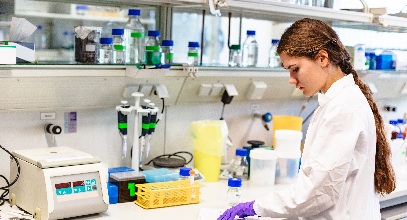
When you think of being a pharmacist, you might picture being behind the counter at your local drugstore, filling prescriptions and answering questions. But not all pharmacists work in community or retail settings. According to the U.S. Bureau of Labor Statistics (BLS), about 30% of pharmacists work in hospitals. The BLS also projects increasing demand for pharmacists in hospitals and clinics. If you attend pharmacy school, becoming a hospital pharmacist could be a solid option for your future. Let’s look at what hospital pharmacists do and explore a day in the life of a hospital pharmacist.
The Role & Responsibilities of a Hospital Pharmacist
Hospital pharmacists work as part of a healthcare team. They work directly with doctors, nurses, and other providers to ensure patients receive the safest and most effective treatments. As a hospital pharmacist, you might:
- Participate in patient rounds to discuss treatment plans for patients.
- Review medication orders to confirm the proper drug, dose, and administration method.
- Prepare and dispense medications, including IV solutions, chemotherapy drugs, and other specialized treatments.
- Monitor patient responses to medications and adjust therapies as needed.
- Educate patients and healthcare staff about safe medication use and potential side effects.
Instead of working mainly with customers, a pharmacist in a hospital spends a lot of time with other healthcare providers. Together, they support patients admitted for surgery, treatment, or emergency care.
A Day in the Life of a Hospital Pharmacist
 What does a day in the life look like for a hospital pharmacist? No two days will ever be exactly alike in a hospital. However, a typical day for a hospital pharmacist might include these activities.
Morning Rounds
Many hospital pharmacists start the day by joining doctors and nurses for patient rounds. They review medical charts, discuss each patient’s medications, and make recommendations. For example, a pharmacist might suggest a different antibiotic if a patient has kidney problems. For another patient, they might recommend a new dosage to better control pain.
Review and Verify Orders
Throughout the day, pharmacists get electronic medication orders from physicians. They carefully review these orders to prevent errors, ensure correct dosages, and confirm that new prescriptions won’t interact with a patient’s existing medications.
Compound and Prepare Medications
Some medications, such as IV nutrition, chemotherapy, or customized pediatric doses, must be specially prepared. Hospital pharmacists or their teams compound these medications in sterile environments.
Educate Patients
Pharmacists often meet with patients before they leave the hospitals. The pharmacist explains to these patients how to take their medications at home safely and correctly. This is especially important if patients are prescribed new or complex drug regimens.
Consult with Healthcare Teams
Hospital pharmacists often serve as the go-to resource for medication expertise. Throughout the day, they may be called to patient care units, operating rooms, or intensive care areas to advise on drug therapy.
Why Choose a Hospital Pharmacy Career?
Pharmacists who work in a hospital collaborate closely with physicians and nurses on patient care. For students drawn to the clinical side of healthcare, hospital pharmacy offers the chance to make an immediate impact on patients’ health and safety. It’s a fast-paced environment where no two days are the same and where you can apply your expertise to some of the most critical cases.
As hospitals continue to expand their pharmacy services, the hospital pharmacist will become even more valuable. If you’re considering a pharmacy degree and want to be part of a team that influences patient outcomes, a hospital pharmacy career may be the path for you.
Prepare for Your Pharmacy Career
At the South University School of Pharmacy, our Doctor of Pharmacy (PharmD) is designed to prepare pharmacists with the skills and ability to face the challenges of the modern medical field, no matter where they pursue work. Visit our PharmD program page today to learn more, or request information to speak with our Admissions team.
--
*Graduates are required to pass the national certification exam and obtain a state license in order to work in the field. (Exam names vary by program.) Please refer to the State Professional Licensure Determination and National Certification/Licensure section of the University catalog for additional information. South University cannot guarantee each graduate will pass the required licensure examinations. South University does not promise or guarantee licensure, employment, or salary amounts.