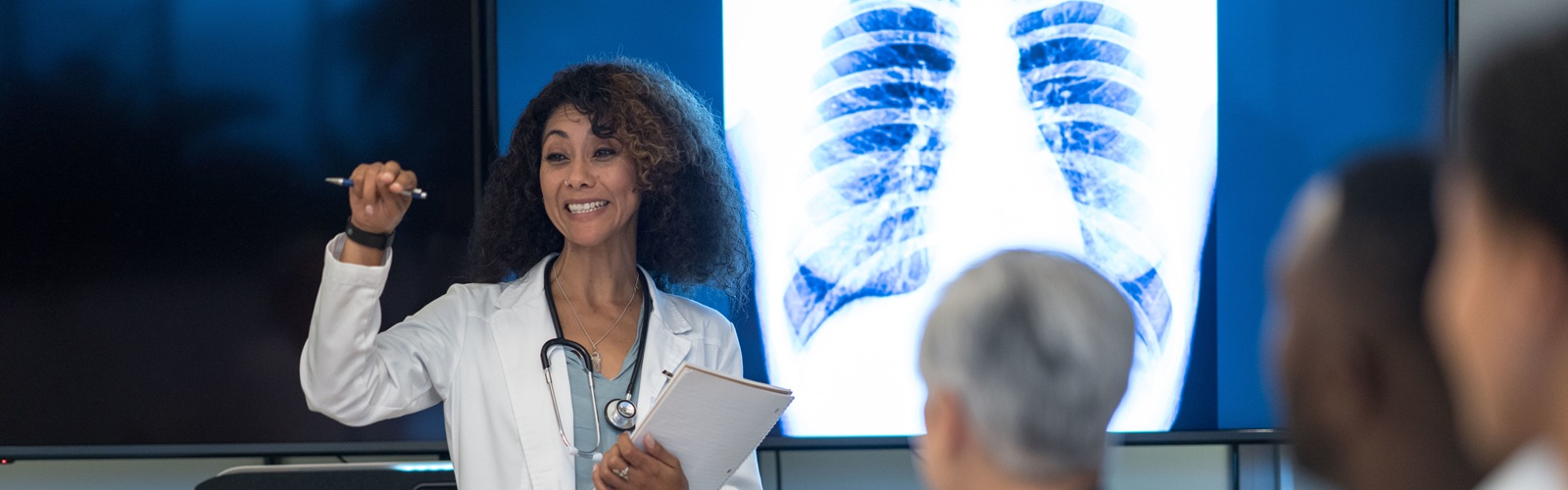
 If you want to make an impact beyond the bedside, teaching and mentoring fellow nurses could be the answer. Nurse educators help nursing students and practicing nurses gain the knowledge, clinical skills, and confidence they need to care for their patients. If you've ever enjoyed mentoring a new nurse, leading a training, or sharing your knowledge with coworkers, becoming a nurse educator may be a rewarding next step in your career.
Where Do Nurse Educators Work?
Nurse educators teach in many settings, including colleges and universities, hospitals, healthcare systems, vocational schools, and community organizations. Depending on where they work, they may:
- Teach classroom, online, or clinical courses
- Develop lesson plans and educational materials
- Supervise students during clinical experiences
- Evaluate student performance and give feedback
- Mentor future nurses
- Assist with creating and improving educational programs
No matter where they work, nurse educators help prepare the next generation of nurses to meet the evolving needs of patients and healthcare organizations.
7 Qualities You Need to Be a Nurse Educator
Do you have what it takes for a nurse educator career? While every educator has their own teaching style, successful nurse educators share several important qualities.1. Strong Communication Skills
When you’re a teacher, just knowing the material isn't enough. You have to be able to explain difficult concepts in ways that your students can understand. Nurse educators must be able to communicate clearly, answer questions thoughtfully, and provide feedback that helps students learn and grow.Good communication also includes listening. Students come from diverse educational and professional backgrounds, and they benefit from educators who take the time to understand their questions and learning needs.
2. A Passion for Teaching
The best educators genuinely enjoy helping others learn. They celebrate student successes, encourage growth after setbacks, and create learning environments where students feel comfortable asking questions. When your passion for teaching shows up in the classroom, your excitement can rub off, helping motivate students and making them more likely to participate.3. Clinical Expertise
Students rely on nurse educators to connect classroom concepts with real-world nursing practice. If you have a strong clinical background, you can use it to share practical examples from your past and get students ready for the situations they may encounter in healthcare settings. It also gives you more credibility when you talk about current standards of care and strategies for clinical judgment and decision-making.4. Empathy
Nursing classes can be challenging. As you may know from your own experiences, students often balance coursework with work, family responsibilities, and clinical rotations. Good nurse educators recognize these challenges and do their best to support students while still maintaining high academic standards. Through patience, empathy, and encouragement, nurse educators can help students build confidence as they develop new skills and overcome challenges.5. Leadership Skills
If you choose a nurse educator career, you’ll have the opportunity to be a role model for your students. You’ll need to demonstrate professionalism, ethical decision-making, lifelong learning, and leadership. Nurse educators will often lead class discussions, coordinate clinical experiences, mentor students, and collaborate with other faculty members. Strong leadership skills will help you create positive learning environments while preparing students to become leaders in their own nursing careers.6. Open to Change
Healthcare changes constantly as technology, research, patient care, and education advance. Today's nurse educators must be willing to continuously update their courses and teaching methods to reflect current evidence-based practice. Many educators also teach in online or hybrid environments. For this reason, being comfortable with educational technology is an increasingly valuable skill.7. Committed to Lifelong Learning
Excellent nurse educators never stop learning themselves. They stay informed about new research, healthcare trends, nursing standards, and teaching strategies. If they don't, they won't be able to give students a current, relevant education. By doing ongoing professional development, nurse educators can remain effective throughout their careers.Why Nurse Educator Careers Are More Important Than Ever
As healthcare grows increasingly complex, the need for well-prepared nurses continues to rise. Nurse educators help address this need by preparing future nurses with the clinical knowledge, skills, and professional values to deliver quality patient care. Beyond educating new nurses, many nurse educators also lead continuing education for practicing nurses. If you like mentoring others and sharing your expertise, becoming a nurse educator could be a way to extend your impact far beyond the patients you care for one-on-one.Take the Next Step Toward Becoming a Nurse Educator
If you enjoy helping others grow, a nurse educator career may allow you to shape the future of healthcare one student at a time. At South University, our Master of Science in Nursing (MSN) with a specialization in Nurse Educator is designed to help you develop the educational, leadership, and instructional skills needed to teach future generations of nurses. Our classes on teaching and learning strategies, curriculum design, assessment, educational technology, and more may prepare you for opportunities in academic and clinical settings. Learn more about South University's RN to MSN Nurse Educator and MSN Nurse Educator programs today, and discover how you can combine your clinical experience with a passion for teaching.
--
Programs, including all Clinical/Medical programs have a required ground clinical, practicum, or externship. We cannot guarantee flexibility in these components of the program.