Physician Assistant

Master of Science in Physician Assistant

South University’s Master of Science in Physician Assistant prepares students to pursue becoming physician assistants through coursework that offer fundamental medical concepts and theories, provides students with the knowledge, skills and attitudes necessary to function, with physician supervision, as medical professionals who will serve as valued members of the health care team. Physician assistants are medical professionals who diagnose illness, develop and manage treatment plans, prescribe medications, and often serve as a patient’s principal healthcare provider. The Physician Assistant program is designed to provide students with effective learning opportunities that will prepare them to perform their expected competencies in an ethical, legal, safe, and effective manner as students learn how to pursue becoming a physician assistant. Physician assistants perform medical functions that include, but are not limited to, evaluation, monitoring, diagnostics, therapeutics, counseling, and referral. The scope of the practice varies according to state laws, the medical setting, and the training of the physician assistant. In many states, physician assistants can prescribe and/or dispense medicine.
South University Physician Assistant Program graduates are eligible to pursue national certification by sitting for the Physician Assistant National Certifying Exam (PANCE) developed by the National Commission on Certification of Physician Assistants (NCCPA). Please see the Professional Licensure Disclosure in the South University Academic Catalog for the determinations if our program meets the professional licensure requirements in your state of residence.
South University does not guarantee third-party certification/licensure. Outside agencies control the requirements for taking and passing certification/licensing exams and are subject to change without notice to South University. Students must pass the certification exam and obtain professional state licensure to work in their respective field.
South University cannot guarantee each graduate will pass the required licensure examinations. Outside agencies control the requirements for taking and passing certification/licensing exams and are subject to change without notice to South University.
*South University does not promise or guarantee licensure, employment, or salary amounts.
Meet the Tampa PA Team!

Accreditation Review Commission on Education for Physician Assistant
The Accreditation Review Commission on Education for the Physician Assistant (ARC-PA) has granted Accreditation Continued to the South University Physician Assistant Program, Tampa, Florida sponsored by South University, Tampa, Florida. Continued accreditation is an accreditation status granted when a currently accredited program is in compliance with the ARC-PA standards.
Accreditation remains in effect until the program closes or withdraws from the accreditation process or until accreditation is withdrawn for failure to comply with the standards. The approximate date for the next comprehensive review of the program by the ARC-PA will be March 2027. The program's accreditation history can be viewed on the ARC-PA website at:
https://www.arc-pa.org/accreditation-history-south-university-tampa
Accreditation Review Commission on Education for the Physician Assistant, Inc., 12000 Findley Road, Suite 275, Johns Creek, GA, 30097; Telephone: 770.476.1224
Admissions Requirements
Procedure for Admission to the Master in Science Physician Assistant (MSPA) Program
Entrance to the Master of Science in Physician Assistant (MSPA) program is gained through a formal application review and an interview. Application to the program is made through the Central Application Service for Physician Assistants (CASPA). Applicants must specifically designate the South University campus(es) to which their application should be submitted within the CASPA system.
A completed application must be submitted through CASPA in order to be reviewed by any of the South University campuses. The application cycle for the January start will begin in April annually. The deadline for all application materials to be complete* in the CASPA application portal is August 1st annually.
To apply for the Master of Science in Physician Assistant degree program at South University, Tampa, individuals must:
- Complete CASPA online Applications including submission of all transcripts and GRE scores.
- Official GRE scores for the General Test (verbal, quantitative, and written essay) are required to be electronically submitted to CASPA through ETS (Educational Testing Service) using the Tampa program GRE Code: 0454. Paper copies are not accepted.
*This is the date your application became complete and was placed in the verification queue. Your complete date is the day your final required item - a transcript, reference letter, payment, or e-submitted application - posted to your CASPA account.
**Please do not send transcripts directly to South University. Transcripts should be sent to CASPA.
Individuals whose applications are deemed competitive will be invited for a required interview. Therefore, those who apply early in the admission cycle are more likely to be granted an interview than those who apply later. Each program concludes interviews for the admissions cycle upon filling all available seats. Not all qualified applicants will receive an interview.
Students who are offered a seat in the Physician Assistant program are only permitted to reserve a seat at one campus. Within 14 days of the applicant signing and submitting the acceptance form, it is the responsibility of the applicant to notify any other South University Physician Assistant program(s) of his/her intent to withdraw. Seat acceptance fees are non-transferable to other South University programs.
Note: Applicants should refer to the Physician Assistant Program policy on Acceptance Fee for more details.
Admission Criteria
Selection for the Master of Science in Physician Assistant program is highly competitive. Meeting the minimum requirements does not guarantee an interview or admission. Successful applicants will generally exceed the minimum criteria. The following criteria represent the minimum conditions established for students interested in applying to the South University Master of Science in Physician Assistant degree program:
- Applicants must have an earned bachelor’s degree from a regionally accredited U.S. institution no later than August 1st of the year they apply.
- Applicants must have an overall GPA as calculated by the CASPA service of 3.0 or greater (on a 4.0 scale) (including undergraduate, post-baccalaureate, and graduate coursework).
- Applicants should have a Biology-Chemistry-Physics (BCP) science GPA of 3.0 (on a 4.0 scale) as calculated by the CASPA service.
- Applicants must submit scores from the GRE general exam directly to the CASPA service using the South University PA program code 0454.
- At least three letters of reference on the CASPA application must be submitted
- At least one reference on the CASPA application must be from a physician (MD/DO), Physician Assistant, or Nurse Practitioner with whom the applicant has worked or shadowed and to whom the applicant is not related. Impressive, well- articulated, and unequivocal letters attesting to the applicant’s motivation, communication and interpersonal skills, professionalism, and future contribution towards health care are considered competitive.
Clinical Experience
Clinical experiences should provide the applicant with a knowledge of and orientation to the presentation, signs, and symptoms of a variety of ill or injured patients. Although clinical experience is not required, preference is given to applicants who have direct patient care experience (i.e., care that involves personal interaction with patients such as: physical therapist, respiratory therapist, emergency medical technician/paramedic, nurse, medical assistant, or certified nursing assistant, or other similar professions). However, there is no requirement for a predetermined number of hours (or months) of healthcare experience to be earned by an applicant.
Admissions Committee Selection Factors
Applicants for admission are considered and ranked using multiple factors. Applicants are awarded preference points based upon the following selection factors:
Academic achievement (overall GPA, BCP, GRE).
- Preference will be given to those with an Overall GPA at or above 3.4.
- Preference will be given to those with a prerequisite Biology-Chemistry-Physics (BCP) GPA at or above 3.2 (on a 4.0 scale) as calculated by the CASPA service.
- Preference will be given to those with a Prerequisite GPA at or above 3.2 (on a 4.0 scale) as calculated by the CASPA service.
- Preference will be given to those with GRE scores (Quantitative and Verbal Reasoning) at the 50th percentile or above.
- Preference will be given to those with a GRE Analytical Writing Score of 4.0 and above.
Quality of letters of reference from medical providers (e.g., MD, DO, NP, PA).
- References from Physician Assistants (PAs) are preferred.
Clinical experience that requires direct patient care.
- Preference is given to applicants with clinical experience that requires direct patient care, including but not limited to, physical therapist, respiratory therapist, emergency medical technician (EMT)/paramedic, nurse, medical assistant, or certified nursing assistant (CNA).
Personal statement/essay.
Healthcare provider mentorship/shadowing experiences.
Community service.
Interview performance.
The Admissions Committee assesses evidence of an applicant’s interpersonal skills, problem-solving ability, professionalism, motivation, academic potential, communication, knowledge of the PA profession and the healthcare system with an alignment to the mission and vision of the program. The Master of Science in Physician Assistant Program adheres to the South University Non-discrimination policy.
Post-Acceptance Requirements
Accepted applicants will be required to complete the following items in order to obtain approval for matriculation in January:
- Satisfactory Criminal Background and Drug Screen Report
- Health/Immunization Requirements
- Health Insurance Documentation
- Baccalaureate Diploma Verification
- American Heart Association (AHA) Approved Basic Life Support (BLS) Certification
- FAFSA application (Free Application for Federal Student Aid) submission for those applying for financial aid
Applicants seeking admission to the Physician Assistant program must abide by the College of Health Professions Background Check Policy and Substance Abuse and Screening Policy. Acceptance into a South University program or its completion does not guarantee that a student will be able to obtain subsequent licensure or certification.
All Physician Assistant program students are responsible for meeting matriculation deadlines and requirements as published within the campus-specific Enrollment Guide. There is a non-refundable $1000 acceptance fee for those applicants accepted into the Physician Assistant programs at South University, Tampa. Acceptance fees are applied towards tuition.
If you have questions in regard to the application process, please call the Tampa Physician Assistant Program office at (813) 393-3720 or contact via email at kblizzard@southuniversity.edu.
Prerequisites
Prerequisite Courses
Applicants must complete all prerequisite courses listed below with a grade of C or better at a regionally accredited U.S. college or university prior to submission of his/her application. The PA program accepts prerequisite coursework completed in an online, virtual, or on-ground format from a regionally accredited U.S. college or university.
PREREQUISITE | DURATION | |
Required | Anatomy and Physiology | 2 courses (sequenced)
OR
No course substitutions are accepted for this requirement. |
General Biology | 2 courses Required:
Alternative Substitution for Biology II ONLY:
| |
General Chemistry and Labs | 2 courses Required:
| |
Microbiology with Lab | 1 course No course substitutions are accepted for this requirement. | |
Organic Chemistry or Biochemistry | 1 course Lab recommended, not required. |
In general, prerequisite coursework with titles that include "Essentials of," "Survey of," or "Introductory to," unless specifically designed for science majors, are considered less competitive.
Basic science courses should be those for science majors. The General Biology and Biochemistry courses are recommended to include a lab, but it is not required.
Only courses (excluding General Biology, Biochemistry, and Organic Chemistry) with an associated lab will be given credit for fulfilling prerequisite requirements. In the event that a laboratory is not offered with a prerequisite course, applicants may request the lab requirement for that course be waived by contacting the program. Lab waivers and/or course substitutions are granted at the discretion of the Admissions Committee. Applicants requesting such should be prepared to submit supporting documents, including, but not limited to, course descriptions.
The South University Master of Science in Physician Assistant program accepts credit for Advanced Placement (AP) courses. AP courses taken and successfully completed will be counted as one course credit towards completion of the respective prerequisite subject. Grades earned in AP courses are not used in the calculation of the applicant's overall or prerequisite GPA.
The South University Master of Science in Physician Assistant program does not accept College Level Examination Program (CLEP) credit for any prerequisite requirements.
South University Master of Science in Physician Assistant programs do not accept a transfer of credits from other physician assistant programs or provide enrolled students with a waiver of credit (i.e., advanced placement) for any component of the required curricular coursework. All students must complete each course in the South University Master of Science in Physician Assistant curriculum.
Admissions Calendar
Annual Admissions Cycle
Late April
CASPA begins accepting applications for matriculation the following year.
June – October
Admissions Interviews
August 1
Application deadline for which application must be in “Complete” status with CASPA for consideration of matriculation the following January.
January
Classes Begin
Curriculum
The South University Physician Assistant Program, located in Austin, Richmond, Savannah, Tampa, and West Palm Beach, delivers the didactic curriculum as a full-time, primarily on-campus experience with some blended instruction that may include virtual, synchronous modalities. As a complement to the on-campus didactic curriculum, clinical subject matter experts are included to ensure students are provided with current standards of medical practice. The clinical curriculum and clinical rotations are primarily direct patient care experiences with blended telehealth/telemedicine opportunities.
Didactic Phase Total: 100 Credits
Clinical Phase Total: 74 Credits
*Clinical Rotation disciplines include: Emergency Medicine, Family Medicine, Internal Medicine, Pediatrics, Women’s Health, Behavioral Medicine, Surgery, and a Clinical Elective in a variety of medical disciplines.
No physician assistant credits from another institution may transfer into the didactic or clinical phase. Master of Science in Physician Assistant students must complete the entire 27-month program (174 credit hours) at South University.
Program Goals
The following are program goals for the South University, Tampa Master of Science in Physician Assistant program:
1. The program will promote advocacy and leadership within the PA profession.
2. The program will prepare graduates to achieve a first-time pass rate on the Physician Assistant National Certification Examination (PANCE) that equals or exceeds the national average.
3. The program will offer community service and outreach opportunities that promote a commitment to improving access to quality healthcare.
Please click HERE for information on our Physician Assistant program and effectiveness in achieving program goals.
(Note: Requirements for NCCPA Certification are determined by the NCCPA and are subject to change without notification to South University. Graduation from the South University, Tampa Physician Assistant program does not guarantee certification or employment.)
PANCE Certification and Graduation Rate
PANCE Certification
Graduates of an accredited Physician Assistant program must pass the national Physician Assistant National Certifying Exam (PANCE) in order to acquire state licensure to practice. The exam is administered by the National Commission on Certification of Physician Assistants (NCCPA) and assesses the clinical knowledge, clinical reasoning and other medical skills and professional behaviors that have been deemed important for entry-level practice as a PA. Below are the percentage pass rates for the first-time test takers of the PANCE for the past five South University, Tampa Master of Science in Physician Assistant Studies (MSPA) graduating classes.
Click HERE to view the PANCE pass rates of South University, Tampa students.
South University does not guarantee third-party certification/licensure. Outside agencies control the requirements for taking and passing certification/licensing exams and are subject to change without notice to South University.
Graduation Rate
To view the South University, Tampa MSPA program student graduation rate information, please click HERE.
Tuition and Fees
Estimated Tuition for the Master of Science in Physician Assistant (MSPA) Degree
Per quarter: $11,967.00 (Effective September 1, 2026)
Total tuition: $107,703.00
Required Fees for the MSPA Degree
Acceptance Fee: $1,000.00 (Non-refundable/applied to tuition). Please note that acceptance fees are non-transferrable between South University locations.
Registration Fees: $225.00 ($25.00 per term)
Graduation Fee: $250.00
Digital Textbook Fee: $2,610.00 ($15.00 per credit hour)
Technology Fee: $3,480.00 ($20.00 per credit hour)
Clinical Experience Fee: $9,000.00 ($1000.00 per quarter)
Other Estimated Costs for the MSPA Degree
(South University will not charge for these costs. They are the student's responsibility.)
American Academy of Physician Assistant (AAPA) Student Membership Fee: $75.00 (One-time fee, approximate)
State Association Fees: FAPA Student Membership Fee: $60.00 (One time fee, approximate)
Professional Instruments and Other Supplies: $1,100.00 (Approximate)
Surgical Scrubs: $500.00 (Approximate)
Laptop Computer and Privacy Screen: $1,500.00 (Approximate)
Background Check and Compliance: $1,005.00 (Additional fees may apply to the base package fee contingent upon credentialing requirements of the hospital.) (Approximate)
American Heart Association approved Basic Life Support (BLS) Provider: $100.00
Clinical Rotations Travel and Housing: $4,500.00* (Approximate)
*The clinical year is comprised of eight, five-week rotations across four quarters. Students are not required to travel for rotations. Many students complete rotations within commuting distance of campus and incur lower travel and housing expenses. The estimated cost per clinical quarter (two rotations) is $4,500.00, should a student elect to travel for clinical rotations. For further details, please refer to the Clinical Experience Fee, Expenses, and Travel Policy below.
Estimated Total for the MSPA Degree
Tuition and Fees: $132,108.00
Tuition and fees are subject to change. The tuition for in-state and out-of-state residents is the same. Acceptance fee is non-refundable and upon acceptance is applied toward the student’s tuition. If a student decides not to attend after accepting, the fee will not be refunded.
All students are required to have a laptop computer with wireless internet access for use in the multimedia classroom. Purchase of these items is not recommended prior to acceptance into the program because of very specific minimum system requirements provided upon enrollment.
For more information on estimated indirect expenses, please click HERE.
Inclusive in Tuition, Technology, and Digital Resources
Students obtain access to the following digital platforms:
- Lecturio, UWorld, Up-To-Date
- AccessMedicine, AccessPharmacy, AccessAnesthesiology, Case Files Collection
- Complete Anatomy 3D4
- Butterfly Point of Care Ultrasound Technology
- PANCE Board Review in person sessions and digital test bank questions
- CORE clinical logging and portfolio resources
- PAEA End of Rotation Exams, End of Curriculum Exams, PACKRAT1 and PACKRAT2
- PAVMT (PAs in Virtual Medicine and Telemedicine) up-to-date medical technology trends
- LinkedIn Learning
- Brightspace Learning Management System
- ExamSoft Testing platform
Clinical Experience Fee, Expenses, and Travel Policy:
Clinical Experience Fees support the recruitment of clinical rotation sites across the nation, enhance the quality of the clinical education, and help offset the increasing costs of clinical training opportunities.
Should circumstances occur, the program reserves the right to assign students to clinical rotations that require travel/commute and/or relocation for any given clinical rotation. Clinical sites are available outside the local campus geographical area up to 2,000 miles from campus.
Students are responsible for all costs associated with travel, transportation, housing, credentialing, and living expenses during the clinical year. These expenses will vary based on the location of each clinical rotation site.
During the pre-clinical phase, students have the opportunity to share their scheduling preferences with the Clinical Education Team. Rotation preferences are considered, but not guaranteed. Rotation assignments may change at any time due to unforeseen circumstances.
Payment of Tuition and Fees
All charges are due and payable on or before the registration date for each quarter. Circumstances which prevent a student from adhering to these dates should be discussed with the financial aid office. Students attending school under grants and/or loans should confer with the financial aid office concerning payment of fees. Students attending school under the G.I. Bill may discuss payment of school fees with the Director of Financial Aid. Failure to make proper payments, unless otherwise cleared by the financial aid office, will result in dismissal from the university. Grades will not be issued, degrees granted, or academic transcripts furnished until all financial obligations have been satisfied and all university property returned. For refund policies, please see the academic catalog HERE.
Policies and procedures for student withdrawal, refunds of tuition and fees, policies that limit or prevent students from working during the program and policies and procedures for processing student grievances can be found in the South University catalog.
Program Policies
The following resources provide important policies, procedures, and standards applicable to both prospective and current students of the South University, Tampa PA Program. These documents outline program expectations, academic and clinical policies, and accreditation standards that guide the program and support student success. All PA program policies apply to all students, program faculty, and the program director regardless of location (i.e., didactic and clinical settings).
PA Student Handbook
For the South University, Tampa PA program Student Handbook please click HERE.
Clinical Policy Manual
For the South University, Tampa PA program Clinical Policy Manual, please click HERE.
Program Policies of Interest to Prospective and Enrolled Students
For accreditation aligned (A3 Standards) program policies, please click HERE.
Physician Assistant at South University
South University is committed to creating career opportunities for our students, so we provide the relevant coursework for you to meet your career goals in a position as a Physician Assistant as well as the ethical and legal competencies and effective communication skills that are integral for this profession. In addition, we instill the value of continued education in our students so you can continue to create more opportunities for success in your career.
Mission and Vision
Physician Assistant Program
Mission Statement
The mission of the South University Physician Assistant (MSPA) program is to educate a diverse student population and prepare graduates to practice the art and science of medicine who provide high-quality, compassionate, patient-centered healthcare that is responsive to the needs of all individuals.
Vision Statement
The South University Master of Science in Physician Assistant (MSPA) degree program strives to provide an educational environment that empowers students to practice evidence-based, patient-centered medical care. With an emphasis on increasing access to care, addressing barriers in healthcare delivery, and engaging in community outreach, we aim to offer meaningful connection and experiences for students, faculty, and staff. As future clinical leaders, the program’s focus is to graduate physician assistants who will champion compassionate care and patient advocacy.
Technical Standards
South University Physician Assistant Program Technical Standards
To ensure that patients receive the best possible care, the faculty of the South University Physician Assistant (PA) Program has identified essential skills and professional behaviors required for successful progression in the program and future practice as a physician assistant.
Students with physical, mental, or emotional disabilities who can perform these skills and behaviors, either independently, with dependable use of assistive devices, or by employing other reasonable accommodations, are eligible to apply for enrollment in the program. The program is committed to providing reasonable accommodation in accordance with applicable laws and professional standards while ensuring that all students are able to meet the required competencies for safe and effective patient care.
These technical standards require that each student possess the physical, mental, and emotional health necessary to fully engage in both the academic and clinical training environment. Minimum performance expectations include the ability to demonstrate accurate observation, effective communication, sufficient motor and physical function, intellectual and cognitive abilities, and appropriate behavioral and social attributes.
Students must meet the following technical standards:
1. Observation
- Accurately perceive information through vision, hearing, touch, and other somatic senses.
- Gather information from demonstrations, patient encounters, diagnostic tests, and clinical instruments.
- Detect nonverbal cues such as facial expressions, body language, and affect, both at a distance and close range.
2. Communication
- Communicate clearly and effectively in oral and written form with compassion and sensitivity.
- Engage in professional interactions with patients, families, faculty, peers, and healthcare teams.
- Document, interpret, and convey medical information accurately and efficiently.
- Recognize and appropriately respond to nonverbal communication and feedback.
3. Motor and Physical Function
- Perform physical examination techniques such as palpation, auscultation, percussion, and diagnostic maneuvers.
- Execute essential motor tasks required for medical practice, including performing physical examinations, assisting with patient positioning for procedures, carrying out clinical and emergency interventions, and delivering routine patient care safely and effectively.
- Manipulate medical equipment, instruments, and technology with both fine and gross motor skills.
- Maintain physical stamina to meet the rigors of classroom, laboratory, and clinical settings (including long hours, varied shifts, and high patient care demands).
4. Intellectual and Cognitive Abilities
- Demonstrate skills in measurement, calculation, reasoning, analysis, and synthesis.
- Integrate and apply information from lectures, simulations, patient encounters, and medical literature.
- Problem-solve efficiently in complex and dynamic clinical situations.
- Comprehend spatial and three-dimensional relationships essential for anatomy, imaging, and procedures.
5. Behavioral and Social Attributes
- Possess the emotional health and stability required for sound judgment, safe clinical decision-making, and effective patient care.
- Demonstrate integrity, compassion, professionalism, and ethical conduct in all academic, clinical, and community settings.
- Develop professional, respectful, and collaborative relationships, maintaining appropriate boundaries with all patients, families, faculty, staff, and colleagues.
- Meet all professional and academic responsibilities in a timely and reliable manner, including attendance, preparation, participation, and follow-through on assignments and clinical duties.
- Exercise good judgment and self-control in both routine and stressful situations, avoiding behaviors that are disruptive, unsafe, or unprofessional.
- Adapt to stressful, changing, or uncertain environments while maintaining appropriate coping skills and a professional demeanor.
- Accept, integrate, and act upon constructive feedback to promote ongoing personal and professional growth.
Clinical Rotations
The clinical phase consists of eight rotations which are each five-weeks in length for the duration of 12 months. PA students will gain clinical exposure in the following disciplines: Family Medicine, Internal Medicine, Surgery, Pediatrics, Women's Health, Behavioral Medicine, Emergency Medicine and the Clinical Elective.
These supervised clinical practice experiences (SPCEs) are conducted at a variety of clinical rotation sites. Clinical sites are recruited by the program’s Clinical Education Team (CET). Sites offer students a wide variety of clinical experiences in the discipline-specific clinical rotation (course) and service delivery systems. Students are not required to supply their own clinical sites or preceptors for clinical rotations. Sites for rotations will be vetted and assigned by the PA Program. During the pre-clinical phase, students have the opportunity to share their scheduling preferences and suggest rotation sites, which the CET will consider when making rotation assignments.. The CET will evaluate sites suggested by students for viability in meeting program learning outcomes. Providing a preference or suggested site does not guarantee the site will be secured nor that the student will be assigned to the site for a preferred rotation. Clinical rotation assignments can be altered at any time due to unforeseen circumstances.
Physicians, physician assistants, and other clinicians serve as preceptors for clinical students in direct patient care, providing the opportunity for the student to achieve learning outcomes and demonstrate competency. Our students are offered a wide variety of experiences and locations for their clinical rotations that are designed to round out the application of knowledge and skills to actual patient care. Students rotate through medical clinics, private physician offices, telemedicine/telehealth settings, hospitals, surgical centers, and healthcare systems.
Clinical sites exist in rural, suburban, and urban areas. While many rotations are located within a commutable distance from the program, students may be assigned to clinical rotation sites outside the local campus geographical area and should anticipate the need to travel or temporarily relocate for assigned rotations. Students are responsible for all costs associated with travel, transportation, housing, credentialing, and living expenses during the clinical year. These expenses will vary based on the location of each clinical rotation site.
Programs, including all Clinical/Medical programs, have a required in-person, practicum, or externship. We cannot guarantee flexibility in these components of the program.
Program Defined Competencies
(Program Learning Outcomes)
At the completion of the program, students will meet the following competencies required for successful entry-level PA practice:
| PLO 1. | Demonstrate comprehensive medical knowledge to promote health, evaluate a broad range of patient presentations, and manage clinical conditions across the lifespan. |
| PLO 2. | Demonstrate interpersonal and communication skills to exchange information clearly and provide counseling and education to improve patient outcomes. |
| PLO 3. | Perform essential clinical skills in making decisions related to patient care. |
| PLO 4. | Perform essential procedures and technical skills common to clinical practice. |
| PLO 5. | Apply clinical reasoning and problem-solving in formulating differential diagnoses and developing patient-centered management plans. |
| PLO 6. | Exhibit essential professional behaviors in all interactions. |
| PLO 7. | Demonstrate appropriate use of healthcare resources in order to advocate for quality patient-centered care. |
Career Outlook
When you have completed your degree program, you will be able to work* as a Physician Assistant in a variety of settings.
*Graduates are required to pass the national certification exam and obtain a state license in order to work in the field. (Exam names vary by program.) Please refer to the State Professional Licensure Determination and National Certification/Licensure section of the University catalog for additional information. South University cannot guarantee each graduate will pass the required licensure examinations. South University does not promise or guarantee licensure, employment or salary amounts.
Physician Assistant Faculty & Staff
Meet the Team!
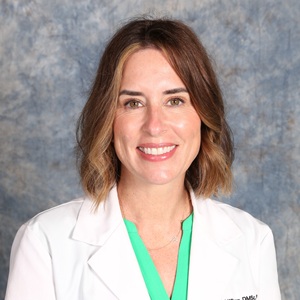
Karen Wilcox, DMSc, PA-C
Assistant Dean – College of Health Professions Graduate Programs, Assistant Professor
Dr. Karen Wilcox has been with South University since 2011. Originally from New York, she has lived and worked in the Tampa Bay area since 2005 and brings 20 years of clinical experience in Family Medicine. She received her Bachelor of Science degree from Loyola College in Maryland in 2002 and graduated from Nova Southeastern University-Fort Lauderdale in 2005 with both a Bachelor of Science in Physician Assistant Studies and a Master of Medical Science degree. Dr. Wilcox completed a Doctor of Medical Science at the University of Lynchburg in Virginia in 2021 with a focus in PA education. Her teaching/academic interests include otolaryngology, endocrinology, behavioral medicine, women’s health and integrative medicine.
Dr. Wilcox has held advanced leadership roles within the Physician Assistant Program before assuming her current position as the Assistant Dean of Graduate Programs. She currently serves as a site visitor for the Accreditation Review Commission on Education for the Physician Assistant (ARC-PA), helping ensure high standards in PA education nationally. Her scholarly interests include programmatic assessment, wellness and prevention, and women’s and behavioral health topics. She has presented at state and national conferences and remains committed to fostering excellence in medical education at the graduate level.
Dr. Wilcox is an active member of the Florida Academy of PAs (FAPA), the American Academy of Physician Associates (AAPA), and the Physician Assistant Education Association (PAEA). She continues to serve underserved populations as a volunteer PA at Calvary Community Clinic in Tampa.
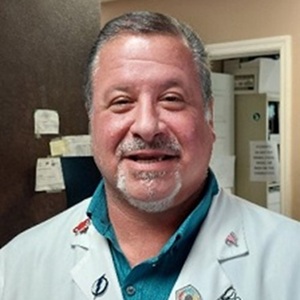
Elliot E. Cazes, MD
Medical Director
Dr. Elliot Cazes has been the Medical Director of the Master of Science in Physician Assistant Program at South University since July 2018. He is originally from the Northeast, having grown up in the Trenton, NJ area. He completed his undergraduate work at the University of Connecticut, graduating with a Bachelor of Science in Microbiology. He then attended Georgetown University, completing research and a master’s degree in Physiology. Dr. Cazes graduated from the University of Maryland School of Medicine and spent an additional four years completing a residency in obstetrics and gynecology. After completing his residency in 1995, Dr. Cazes moved to Tampa where he entered into private practice in Ob/Gyn. He has been in private practice for 25 years. Dr. Cazes lives in Tampa, with his wife. He has four grown children scattered throughout the U.S.
Since early in his medical career, Dr. Cazes has had a passion for teaching. Over the years, he has taught students from several different universities. He has been involved with the education of South University students since 2013. In addition to serving as a preceptor during clinical rotations, he also gives didactic lectures throughout the year, and he is involved in the PA program admissions process.
Dr. Cazes also spends time lecturing throughout the U.S. on a variety of topics, including breast cancer, hereditary cancer screening, endometriosis and pelvic pain, and menopause. He remains involved with several different clinical trials at his practice site and is actively involved with the Faces of Courage charity here in Tampa.
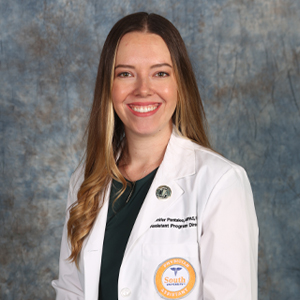
Jennifer Pantaleo, MPAS, PA-C
Program Director, Assistant Professor
Before practicing as a Physician Assistant, Ms. Pantaleo obtained a Bachelor of Science in Biomedical Sciences with a Minor in Public Health from the University of South Florida in 2011. She is a current member of the American Academy of Physician Associates, the Florida Academy of PAs, and the Physician Assistant Education Association. In addition to her regular teaching duties, Ms. Pantaleo has lectured at the state level for the Florida Academy of PAs and serves on the University and PA Department Councils for Diversity, Equity, and Inclusion. She is passionate about expanding healthcare access and reducing health disparities by increasing representation in the PA profession through efforts such as PAEA’s PA Student Success (P.A.S.S) Program.

Diane Butler, MBA, MCMS, PA-C
Assistant Program Director, Assistant Professor
Ms. Butler has a passion for teaching and mentorship, particularly in the areas of professionalism, leadership, and social justice in healthcare. She is an active member of the American Academy of Physician Associates (AAPA), the Physician Assistant Education Association (PAEA), the Florida Academy of PAs (FAPA), and the National Association of Health Service Executives (NAHSE).Her charitable contributions include serving as a Clinical Director for The Special Olympics of Florida as well as a volunteer PA at Calvary Community Clinic. In her spare time, she enjoys playing tennis, traveling, and spending time with her husband and their two children.
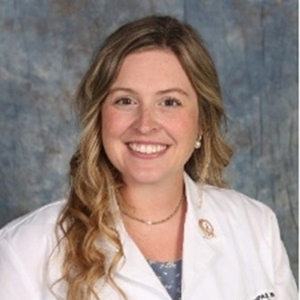
Lauren Lieb, DMSc, MPAS, PA-C
Director of Didactic Education, Assistant Professor
She earned her Bachelor of Science and completed the Physician Assistant Program at the University of Findlay in 2009. She later obtained her Master of Physician Assistant Studies from the University of Nebraska Medical Center while beginning her career in electrophysiology with Northwest Cardiology Consultants in Toledo, Ohio. Her clinical background spans cardiology, electrophysiology, internal medicine, wound care, emergency medicine, and urgent care. She has provided care in multiple settings including inpatient medicine, emergency departments, nursing facilities, rehabilitation centers, and primary care practices. During this time, she also became hyperbaric oxygen certified, cared for geriatric and disabled populations, and supported palliative and hospice services.
In 2020, Ms. Lieb relocated to the Tampa Bay area, where she practiced inpatient and outpatient cardiology before transitioning into urgent care. She continues to maintain clinical practice in urgent care and telemedicine. She has completed her Doctor of Medical Science degree at the University of Lynchburg with a focus in medical education.
In addition to her clinical work, Ms. Lieb has a long-standing passion for education. She has served as a clinical preceptor for over a decade and transitioned to full-time academia in 2023. She has since been promoted to Director of Didactic Education, where she contributes extensively to curriculum development, course instruction, student mentorship, and faculty leadership. Her academic interests include cardiology and electrophysiology, particularly arrhythmias and heart failure management.
Outside of her professional roles, Ms. Lieb enjoys spending time with her husband and their five children. She is actively involved in her church community and loves supporting her children in baseball and football, as well as listening to audiobooks in her free time.
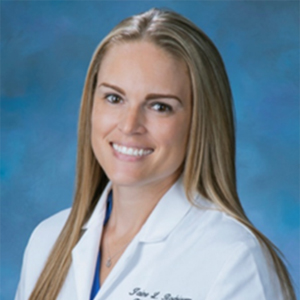
Jaime Rodriquez, MMS, PA-C
Assistant Director of Didactic Education, Assistant Professor
Jaime Rodriquez joined South University, Tampa in 2024. Originally from central New York, she graduated from Oneonta’s Hartwick College in 2010 after majoring in both Spanish and Biology with a minor in Chemistry. After graduation, she began working in analytical chemistry before switching to infectious disease research. In 2011, the biomedical lab merged with the University of Florida’s (UF) Institute for Therapeutic Innovation, prompting her move south in 2012. In 2013, while continuing her work in research, Ms. Rodriquez earned her Master’s degree in Pharmacy with a concentration in Pharmaceutical Chemistry from UF. She later made the decision to change careers, and in 2020 graduated with honors from Nova Southeastern University, Orlando’s Physician Assistant Program. She has specialized in pulmonary and critical care medicine since that time and has additionally enjoyed adjunct teaching at her former PA Program.
Ms. Rodriquez has a passion for caring for the underserved. She is a member of Hands of Esperanza, a nonprofit organization that travels annually to Guatemala to provide medical support and health care to members of unique, often isolated, indigenous communities. She is also an active member of the American Academy of Physician Associates (AAPA), the Florida Academy of PAs (FAPA), the National Hispanic Medical Association (NHMA), and the Society of Critical Care Medicine (SCCM). In her free time, Ms. Rodriquez enjoys spending time with family, traveling, hiking, and training for her annual half marathon.

Ciara Calitri, MPAS, PA-C
Director of Clinical Education, Assistant Professor
Ciara Calitri joined the South University, Tampa Physician Assistant Program full-time in 2021 after working in pediatric emergency medicine since 2013. She earned a Master of Science in Physician Assistant in 2013 from South University, Tampa and worked serving the Tampa Bay community before transitioning into academics.
Ciara is originally from New Jersey and graduated from Fordham University earning her Bachelor of Science. Her first position was at Johns Hopkins All Children’s Hospital in Saint Petersburg, Florida, followed by positions with St. Joseph’s Hospital Main and South campuses in the Pediatric Emergency Department. During the global pandemic, Ms. Calitri worked in the Adult Emergency Department for months due to changes in patient volumes. She is proud of her alma mater, returning as an Adjunct Professor at South University, Tampa in 2018 and joining the faculty full-time in 2021.
Ms. Calitri is an active member of the American Academy of Physician Associates (AAPA), Florida Academy of PAs (FAPA), and Society for Emergency Medicine Physician Assistants (SEMPA). She lives in Tampa with her husband and their three children.
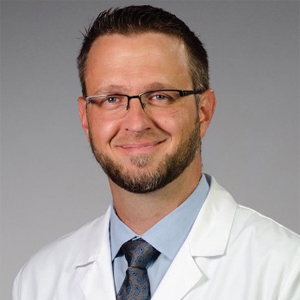
Brian McComb, MPAS, PA-C
Assistant Director of Clinical Education, Assistant Professor

Jerica Derr, EdD, DMSc, PA-C
Director of Student Success and Evaluation
Dr. Jerica Derr joined the South University, Tampa Master of Science in Physician Assistant Program in 2026 as the Director of Student Success and Evaluation. She has served as a full-time physician assistant educator since 2018 and brings experience in program leadership, curriculum development, student assessment, clinical education, and research. Throughout her career, she has been passionate about supporting students and creating learning environments that foster growth, confidence, and long-term success.
Originally from the Midwest, Dr. Derr earned her Master of Physician Assistant Studies from Chatham University. She later completed her Doctor of Medical Science degree in Physician Assistant Education and a Graduate Certificate in Healthcare Administration and Management from the University of Lynchburg before earning her Doctor of Education in Higher Education Administration with High Distinction from Liberty University.
Dr. Derr's clinical experience includes integrative pain management, urogynecology, and hospital medicine. Prior to joining South University, she held a variety of leadership roles in physician assistant education, including Director of Clinical Education, Director of Experiential Learning, and Interim Program Director. She has also taught at both the master's and doctoral levels. Her academic interests include student success, remediation, curriculum development, educational leadership, and the thoughtful integration of artificial intelligence into healthcare education. She is passionate about helping students build the clinical reasoning, confidence, and resilience needed to succeed throughout physician assistant education and into clinical practice.
Dr. Derr is an active member of the American Academy of Physician Associates (AAPA), the Physician Assistant Education Association (PAEA), and the South Carolina Academy of Physician Assistants (SCAPA), where she previously served as Secretary for the organization. As hybrid faculty, she resides in Charleston, South Carolina, where she enjoys spending time with her daughter, Charlotte, traveling, home design projects, Pilates, and spoiling her fur babies.
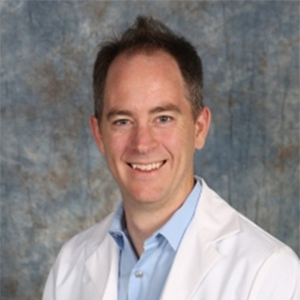
Mike Rees, MSPA, PA-C
Chair of Admissions, Assistant Professor
Before joining the full-time faculty, Mr. Rees spent three years teaching as an adjunct lecturer and small-group facilitator while practicing in Emergency Medicine. His clinical work has centered on adult emergency care, and he previously served as the lead advanced practice provider for a Level II trauma center in St. Petersburg.
In his current academic role, he combines his clinical background and passion for mentorship to guide both student learning and the admissions process. As Chair of Admissions, he is committed to fostering a holistic, mission-driven approach to candidate evaluation and selection.
Outside of his professional life, Mr. Rees lives in Largo with his wife, two children, and two dogs. He enjoys traveling and cruising with family and can often be found listening to a good murder-mystery audiobook during his workouts.

Brandon Hensley, MPAS, PA-C
Skills and Simulation Operations Coordinator, Assistant Professor
Prior to joining the faculty full-time, Mr. Hensley practiced primarily in orthopedics and urgent care medicine. During his clinical career, he frequently precepted physician assistant students during their clinical rotations, which fostered his passion for education and mentorship.
Drawing on his experience in the operating room and procedural medicine, Mr. Hensley transitioned into the role of Skills and Simulation Operations Coordinator. In this position, he focuses on developing students’ procedural competence and confidence through hands-on learning and simulation-based training.
Based in St. Petersburg, Mr. Hensley enjoys an active lifestyle with his wife and their golden retriever. Outside of work, he can often be found at his local CrossFit gym, traveling, following the Florida Gators, playing pickleball, or trying a new restaurant.
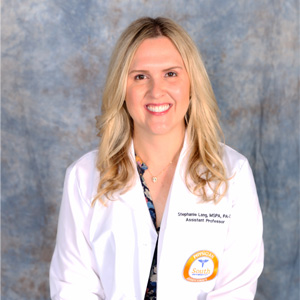
Stephanie Lang, MS, PA-C
Assistant Professor
Clinically, Stephanie has spent more than a decade specializing in breast surgical oncology, practicing for 13 years in New York City and most recently in Tampa, Florida. In addition to her clinical work, she has held adjunct and part-time faculty positions across several PA programs in New York. She joined the faculty at South University in 2025.
In her spare time, Stephanie enjoys running and exploring new places with her husband and son—whether planning their next adventure, trying new restaurants, or listening to live music.
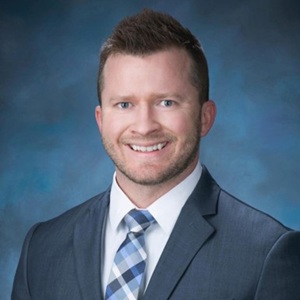
Andrew Chaney, DMSc, PA-C, FIBODM
Assistant Professor
Dr. Chaney completed PA school at the Jacksonville campus of Nova Southeastern University in 2020 and earned a Doctor of Medical Science degree with a concentration in Emergency Management & Global health from the University of Lynchburg. He is a fellow of the International Board of Disaster Medicine and is actively pursuing fellowship with the Academy of Wilderness Medicine. He also earned a Certificate of Added Qualifications in Occupational Medicine from the NCCPA. His clinical experience spans emergency medicine, occupational medicine, urgent care, and family medicine.
As an educator, Dr. Chaney is passionate about the personal and professional growth of the next generation of clinicians. He believes the most effective providers combine clinical excellence with humility, compassion, adaptability, and a lifelong commitment to learning.
When not at work he enjoys spending time with his wife (Danielle) and two daughters, as well as runs with his Mini Australian Shepherd.

Danielle Wilson, MSPAS, PA-C
Assistant Professor
Danielle recently relocated to Florida from the Boston area. She has seven years of experience in orthopedic surgery, specializing in the evaluation and management of hip, knee, and shoulder conditions. Throughout her clinical career, she has primarily cared for orthopedic patients in an outpatient setting. While taking call, she assisted in the operating room and treated acute orthopedic injuries in the emergency department.
Outside of work, Danielle enjoys spending time with her husband, son, dog, family and friends. She enjoys staying active through fitness classes and spending time outdoors.

Daniel Green, MD, FAAP
Assistant Professor
Dr. Daniel Green joined South University as an assistant professor in 2026. Originally from Ohio, he obtained his Bachelor of Science degree with a major in microbiology and a minor in chemistry at the University of Florida. He then graduated from Case Western Reserve University School of Medicine and completed a three-year residency in pediatrics at Nicklaus Children’s Hospital in Miami, Florida. Dr. Green completed an additional three-year fellowship in pediatric emergency medicine at Nicklaus Children’s Hospital. He served as an attending physician in pediatric emergency medicine at Texas Children’s Hospital in Houston, Texas and at Nicklaus Children’s Hospital in Miami, Florida. He moved to Tampa and worked in pediatric emergency medicine and urgent care for a few years before entering academia. Dr. Green brings over 5 years of PA education experience having served as an Assistant Professor, Clinical Coordinator, and Medical Director prior to joining the team at South University.
Dr. Green enjoys teaching students in several areas, with a primary focus in pediatrics, emergency medicine, and orthopedics. He has a specific interest in child abuse education and prevention. He is a physician member of the American Academy of Physician Associates (AAPA) and the Florida Academy of PAs (FAPA). He is a fellow of the American Academy of Pediatrics (AAP). In his spare time, Dr. Green enjoys spending time with his family, boating, and travel.

Kaitlyn Blizzard, MBA
Admissions Representative
Ms. Blizzard has a passion for education and began working for the South University, Tampa Physician Assistant Program full-time in November of 2021. She enjoys working with students throughout their time on campus. Prior to South, she worked in the health and fitness field for almost 10 years as a personal trainer and nutrition coach. In her spare time, she enjoys reading, attending as many football games as she can and spending time outside with her dog.

Wendy Nguyen
Education Clinical Coordinator
Ms. Nguyen joined South University, Tampa in August 2021 at the position of Administrative Assistant & Receptionist and is now the Education Clinical Coordinator for the Physician Assistant Program.
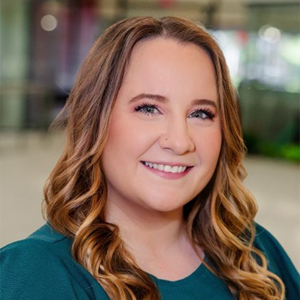
Alissa T. Fox
Program Coordinator
Ms. Fox was born and raised in a small suburb of Chicago, Illinois. She was awarded an Associates of Applied Science degree from Elgin College in 2015. Alissa then spent three years exploring Arizona before finding her way to the Sunshine State at the end of 2021. As of 2023, she is working towards a bachelor's degree in psychology with South University.
Ms. Fox enjoys cooking and baking, traveling the world, spending time with her partner and animals, and watching true crime documentaries in her spare time.
What's New
Latest News and Blogs

Jun 05, 2024
Alumni Spotlight: Landing a Surgery Residency at Johns Hopkins
Paloma Loperena, a 2024 graduate of the Master of Science in Physician Assistant program, is going through a surgical residency at John Hopkins.
Jun 04, 2024
Alumni Spotlight: Earning a PA Residency at Johns Hopkins
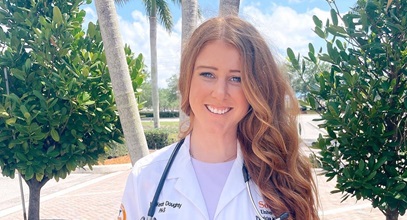
MacKenzie Doughty, a 2024 graduate of the Master of Science in Physician Assistant program, has been accepted into the John Hopkins system.

Mar 05, 2024
Exploring Physician Assistant Specialization Options
Physician Assistants are essential members of the healthcare team who work closely with physicians and other healthcare professionals to provide quality care to patients.

Aug 02, 2023
Alumni Spotlight: Physician Assistant Studies
Kevin Williams is the CEO and Lead Clinician of OnPoint Behavioral Health, and was recently recognized by South University with the 2023 Alumni Achievement Award.

Sep 16, 2026
Alumni Spotlight: Taking the Next Step in Nursing
Meet three South University nursing program alumni whose South University education empowered them to jumpstart the next phases of their careers.

Sep 15, 2026
What Employers Look for Beyond Your Degree
A college degree may help you qualify for jobs, but employers look for more than what degree you may earn. Learn what other skills employers look for in this blog.
Fill out the form and a representative will contact you today to better understand your academic goals plus answer any questions you may have.
Campuses offer flexible learning formats* including: on-campus, virtual instructions, and online courses.
*Clinical, practicum, and externship requirements exist in certain programs and require field experiences. Learning formats may not be flexible.
Success! Your request was submitted. We'll be in touch soon!
In the meantime, you can view some of our FAQs.
If you want to talk to an admissions representative ASAP, please contact us at (888) 444-3404.
Outstanding Education for Remarkable Careers
We're committed to helping our graduates make an impact in their professional and personal lives. We applaud our alumni and the difference they make. Check out what some of our healthcare graduates have to say.